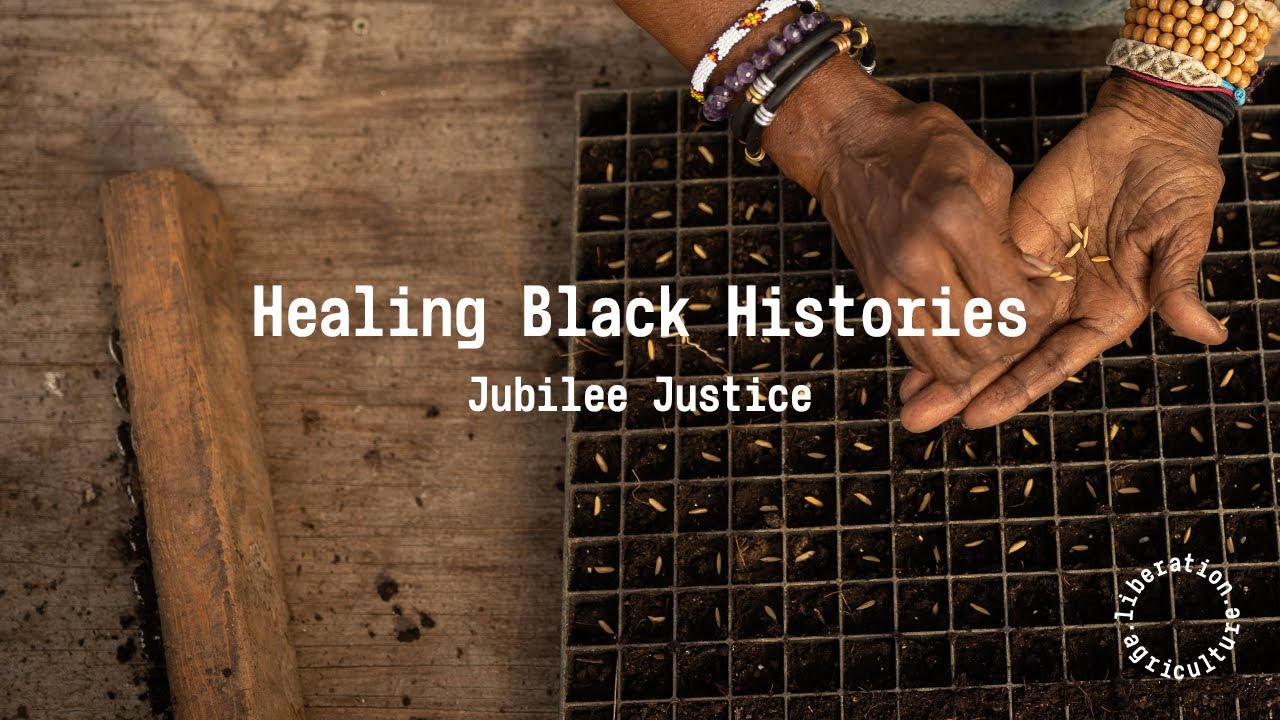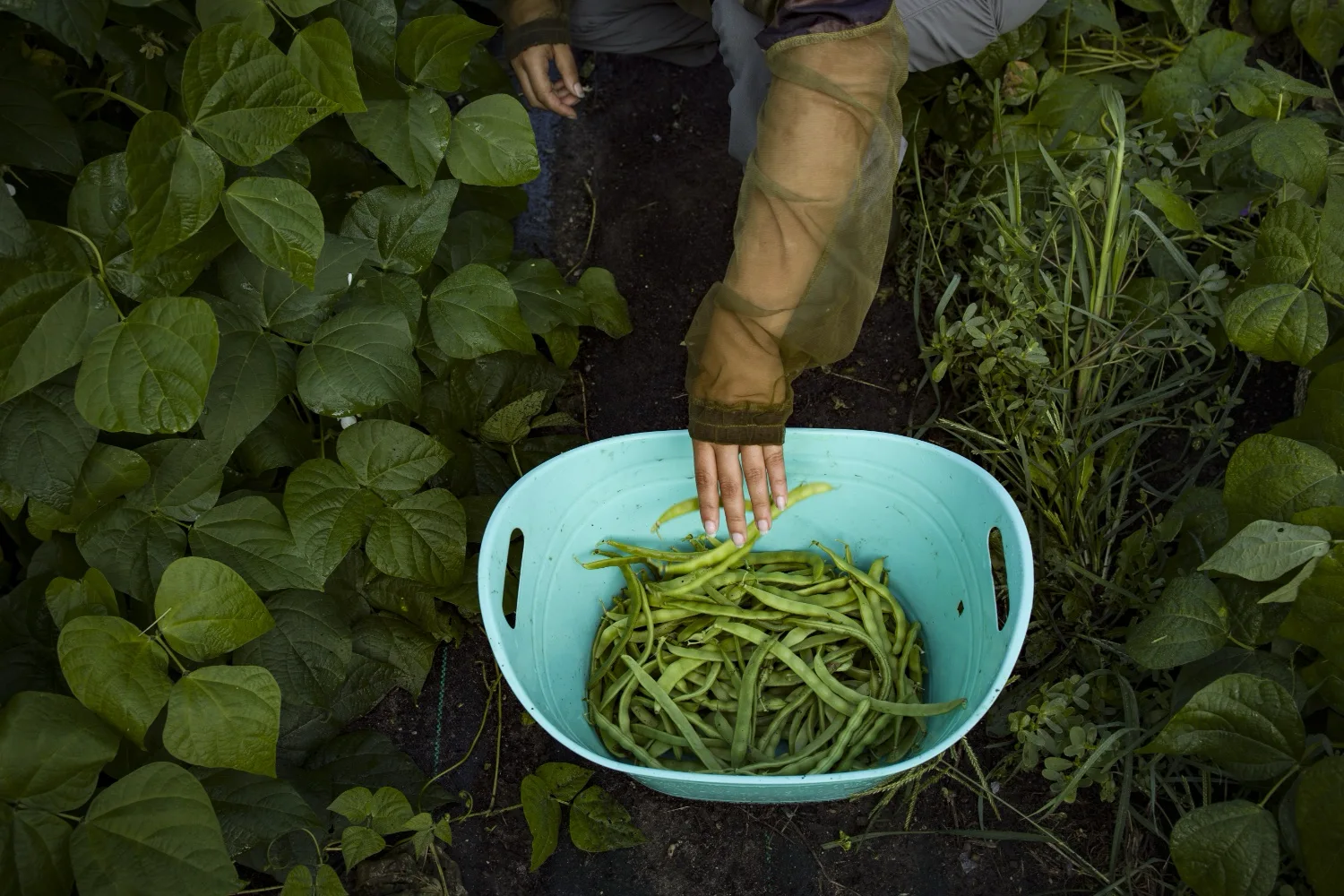

The narrative of Black agriculture in the US is dominated by slavery, sharecropping, and Jim Crow. But that’s just one story. Black farming is also one of deep connection with land, resilience, resistance, and beauty. It’s the creation of farming cooperatives and the Community Supported Agriculture (CSA) model; it’s the development of seed planting technology; it’s the advancement of cover cropping and crop rotation. It’s also West African women braiding seeds into their hair before being enslaved and transported to North America, with the knowledge that those seeds would sustain their cultures in the face of erasure. African seeds, knowledge, and labor have ultimately built one of the largest agricultural economies in the world.
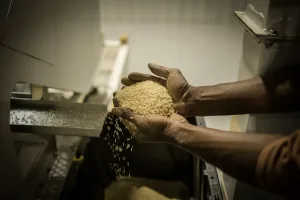
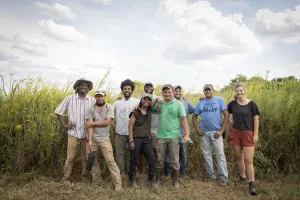
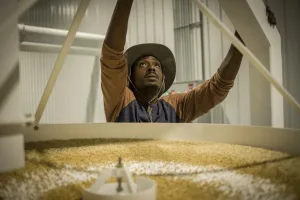
Jubilee Justice is reclaiming the narrative of Black farming, centering agriculture as a vector to heal and build community power. They are uniting Black farmers across the South through a system of sustainable rice production that dramatically reduces input reliance while increasing yields and regenerating lands. Simultaneously, Jubilee Justice expands cooperative ownership and vertical integration to keep wealth within Black communities.